

TOP 10 Good Habits for Students Studying in Australia
Studying in Australia is an exciting chapter — whether you’re a local undergraduate, a postgraduate researcher, or an international student arriving with big hopes. To make the most of your time here you need more than talent: you need consistent, practical habits that protect your wellbeing, sharpen your learning and help you thrive in a new environment. This guide gives you a step-by-step roadmap of the top 10 good habits tailored to students in Australia in 2025, plus hands-on worksheets, recommended daily checklists and pointers to tools (and a clear warning about risky downloads like a habit tracker mod apk sourced from untrusted sites).
What are Good Habits?
Good habits are repeated behaviours that reliably produce positive outcomes for your study, health, finances and social life. They are small choices repeated until they become automatic — for example, reviewing lecture notes daily rather than cramming, or preparing a simple packed lunch to avoid expensive takeaways. Good habits are not about perfection; they are about designing systems that make the right action the easy action.
Why Building Good Habits Matters in Australia?
For international students in Australia, developing good habits is crucial because it affects not only academic performance but also life adaptation and mental well-being. Arriving in a new country brings entirely new learning styles, cultural environments, and social circles, which can create stress and challenges. By establishing consistent good study habits, such as reviewing class notes daily and managing assignments and exam schedules effectively, students can keep up with the pace of Australian universities, improve their academic performance, and study more efficiently.
Good habits in health management are equally important. Maintaining a balanced diet, regular sleep, and moderate exercise supports physical health and enhances mental focus, helping students cope with both academic and daily-life pressures. For those far from home, mental health is especially critical. Good habits like journaling, reflecting, or seeking support can help alleviate feelings of loneliness and cultural adjustment, making life more stable and fulfilling.
Good habits also facilitate social integration and adaptation. Regularly participating in clubs, engaging with classmates, or learning about local culture helps students build support networks, boost confidence, and feel a sense of belonging. Financial management and time management habits allow students to balance studies, work, and personal life, reducing stress related to money and scheduling. Overall, cultivating good habits not only helps international students succeed academically but also supports their well-being, adaptation to a new environment, and personal growth, making their experience in Australia more rewarding and successful.
How to Build Good Habits?
Building good habits is a skill. Use simple, evidence-backed methods: habit stacking (attach a new habit to an old one), tiny starts (start with 2 minutes), environment design (remove distractions), and regular review. Keep one visible tracker (paper, spreadsheet or an official app) — but avoid unsafe downloads or pirated software. For example, searching for a habit tracker mod apk can be tempting, but modded APK files often carry malware or privacy risks; prefer official app stores or secure web tools.
To get started, use a simple daily checklist (below) that you can complete in under 3 minutes each morning. Combine that checklist with a weekly review (Sunday evening) to adjust priorities and identify friction points. If you prefer worksheets, a ready-made good and bad habits worksheet is useful when you first audit your routines — list current habits, mark them good/bad, and draft 1–2 replacement actions per bad habit.
| Habit | Time/When | Why (benefit) | Tick |
|---|---|---|---|
| Morning review (3 mins) | On waking | Sets daily priority; reduces procrastination | ☐ |
| Study block (45–90 mins) | Mid-day / evening | Deep focus; better retention | ☐ |
| Healthy meal | Lunch / dinner | Energy & concentration | ☐ |
| 15-minute walk / exercise | Any break | Mood & cognition boost | ☐ |
Source: practical habit design & student wellbeing practices (worksheet inspiration). Use an official “good and bad habits worksheet” if you prefer guided reflection.
TOP 10 Good Habits For Students in Australia
Below are the 10 core habits you should adopt. Each habit includes why it matters, how to implement it and quick tips you can adopt this week. These are numbered and written as actionable steps so you can follow them in order.
1. Set Your Goals
Setting clear goals is a good habit that gives you direction and focus. To make your goals actionable, use the SMART framework—Specific, Measurable, Achievable, Relevant, and Time-bound. Write them down and display them in a visible spot, such as on your desk or phone background. For example, “Improve GPA from 5.5 to 6.5 this semester by studying two hours daily” is more effective than simply saying “study harder.”
Review your goals weekly. Break long-term goals into short-term targets, such as completing one chapter of a textbook every three days. Use progress trackers like habit-tracking apps, printable calendars, or checklists. This keeps your goals manageable and prevents procrastination. Also, create a mix of academic and personal goals—such as finishing assignments early and exercising regularly—to maintain balance. Avoid setting too many goals at once; focus on 3–5 meaningful ones that align with your priorities.
2. Build a Consistent Study Routine
Consistency is key to long-term academic success. Create good study habits like buiding a study schedule with fixed slots daily or weekly and treat them as seriously as lectures or part-time jobs. Plan study sessions in blocks of 45–90 minutes, followed by breaks of 10–15 minutes, which helps maintain focus and reduces fatigue.
Use study methods that maximize efficiency, such as the Pomodoro technique or active recall. Keep your study space distraction-free: use noise-canceling headphones, tidy your desk, and keep only essential materials in front of you. Always start with reviewing past notes before moving to new material. This strengthens retention and creates a habit of progressive learning. Consistency means studying even on light days, so your brain stays engaged without pressure building before exams.

3. Manage Your Time Effectively
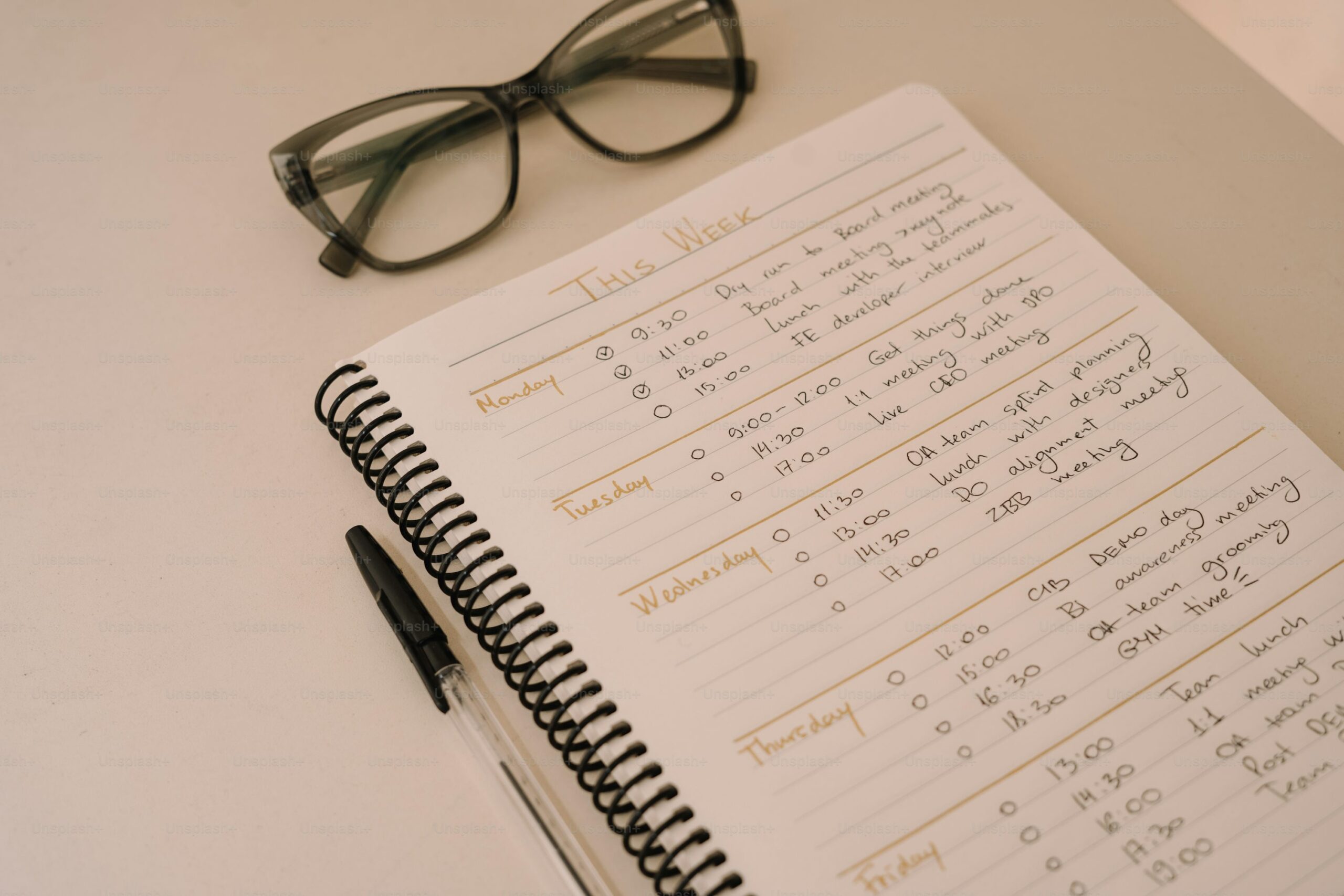
Good time management ensures you can meet deadlines while maintaining balance. The first step is to create a calendar. Record deadlines, exams, and social events using Google Calendar, Outlook, or a physical planner, and update it daily to stay aware of upcoming tasks.
Next, set reminders for smaller tasks. Phone alarms or calendar alerts can nudge you to start a draft or prepare slides, helping you avoid last-minute panic. Alongside this, build a personalized schedule by aligning study sessions with your natural energy levels. Plan demanding tasks during peak focus times to maximize productivity.
Using the right tools can also make a big difference. Options like Trello, Notion, or bullet journals help prioritize daily tasks effectively. Combine these with smart prioritization methods such as the Eisenhower Matrix to separate urgent tasks from important ones, avoiding wasted time on low-value activities.
Finally, remember to include breaks. Reserving time for rest and relaxation ensures your energy levels stay consistent. By reviewing and adjusting your plan weekly, you’ll create a flexible yet structured system for managing time effectively.
4. Engage in Healthy Eating
Food directly impacts focus and energy. Create a weekly meal plan to avoid relying on expensive or unhealthy takeout. Include proteins, whole grains, fruits, and vegetables in every meal. Plan simple dishes like stir-fries, wraps, or salads that are quick to prepare and store well in the fridge.
Always carry healthy snacks—nuts, fruit, or yogurt—to avoid sugar crashes between classes. Hydration is equally important; aim for 2–3 liters of water daily by carrying a reusable bottle. Reduce energy drinks and excess coffee, which can disrupt sleep cycles. By cooking at home and shopping with a list, you save money and maintain consistent energy levels for study and social activities.
5. Exercise and Stay Active
Regular physical activity improves concentration and reduces stress. Aim for at least 30 minutes of moderate activity five days a week. Options include walking, cycling to campus, swimming, or joining university sports clubs. If your schedule is tight, try 10-minute sessions spread throughout the day—stretching between classes or short bodyweight workouts in your room.
Incorporate variety to stay motivated: alternate between cardio, strength training, and flexibility exercises. Use free online workout videos or university gym facilities. Track your progress with apps or fitness watches to stay accountable. Remember, activity doesn’t need to be intense to be beneficial; consistency matters more than duration or intensity.
6. Explore the Country
Australia rewards exploration — weekends on local trails, cultural precincts and city markets enrich your experience and relieve study stress. You can balance study with exploration to enrich your experience. Plan short weekend trips to nearby beaches, bakeries, hiking trails, or cultural events. Use university holidays to visit major cities or natural landmarks. Exploring new environments helps you reset mentally, making study sessions more effective afterward.
Budget trips by using student discounts for travel, public transport, and museum entry. Schedule outings in your calendar to avoid clashes with assignments. Even local exploration, like walking tours of your city or attending community markets, adds variety and prevents burnout. Set a goal to explore at least one new place every month—it builds cultural awareness and makes your time in Australia more memorable.
7. Network and Build Relationships
Building connections improves academic and professional opportunities. Join university clubs, study groups, or networking events. Start by introducing yourself to classmates, attending orientation activities, or participating in volunteer projects. Networking isn’t limited to career benefits—it also provides emotional support and motivation during challenging times.
To expand your network, use LinkedIn to connect with lecturers, alumni, and peers. Engage in conversations beyond academics to build trust and rapport. Make a habit of scheduling at least one networking activity weekly, such as attending a seminar or having coffee with a peer. Strong relationships help with collaboration, sharing resources, and finding internships or jobs after graduation.
8. Control Screen Time
Screens are unavoidable, but unmanaged screen time erodes deep thinking. Create “no-phone” study windows, use website blockers during focus periods and schedule social media checks (e.g. 20 minutes twice a day). If you use a digital habit tracker, use apps like Forest, Freedom, or Cold Turkey to block distracting websites during study hours. Remember to choose reputable apps from official stores rather than searching for a suspicious habit tracker mod apk which may harm your device or data. Track your daily usage with digital wellbeing tools to identify time-wasting habits. Establish boundaries, such as keeping your phone in another room during study sessions or setting “no screen” hours before bedtime.
Replace screen-heavy leisure with alternatives like reading, outdoor walks, or creative hobbies. Organize your devices: turn off non-essential notifications, unfollow distracting accounts, and keep educational apps on your home screen. Controlling screen time doesn’t mean avoiding technology—it means using it with intention to maximize productivity and protect mental health.
9. Financial Planning
Effective financial planning prevents stress and builds independence. Create a monthly budget that includes rent, utilities, groceries, transport, study materials, and leisure. Use apps like Mint or Pocketbook to track spending automatically. Allocate savings, even if small, to build an emergency fund for unexpected expenses.
Cook at home instead of relying on restaurants, use student discounts for transport and entertainment, and buy used textbooks where possible. Limit non-essential spending by setting weekly cash withdrawal limits. Review your budget weekly and adjust for upcoming expenses. Financial discipline ensures you can cover essentials while still enjoying activities and exploring without overspending.
| Item | Estimated Weekly Cost (AUD) | Notes |
|---|---|---|
| Rent (shared room) | 150–300 | Varies widely by city and distance from CBD |
| Groceries | 70–120 | Cooking at home reduces costs |
| Transport | 20–50 | Student fares and concessions available |
| Misc (leisure, textbooks) | 40–100 | Plan for occasional social costs |
Source: Study Australia cost estimator and university living-cost pages (use official cost calculators for your exact campus).
10. Balance Work and Study
Many students work part-time in Australia, but balance is crucial. Limit working hours to what fits alongside study—usually under 20 hours per week. Use your calendar to schedule shifts around lectures and assignments, ensuring rest periods between work and study.
Communicate openly with employers about exam periods or heavy workload weeks. Use income wisely for essentials and savings, rather than unnecessary purchases. If possible, look for jobs related to your field of study, which provide both income and experience. Regularly reassess whether your work commitments are supporting or hindering your academic performance. Protecting study time ensures long-term success.
Practical Tools & Templates (what to use this week)
Below are three practical tools you can adopt immediately:
- Weekly planner template: calendar blocks for study, work and social time.
- Good/bad habits worksheet: a one-page audit you fill in and update monthly (this codifies the change process).
- Secure habit tracker: use reputable apps (official store) or a paper planner. Avoid untrusted sources promising unlocked premium features via a habit tracker mod apk.
Practical Tips: Small Changes That Create Big Results
• Use the two-minute rule: if a task takes two minutes, do it now.
• Combine habits: for example, review flashcards while commuting.
• Use “implementation intentions”: write exact time/place for a task — e.g., “Tuesday 6pm: draft introduction at library.”
• Protect sleep: aim for consistent sleep windows even during exam periods; poor sleep undermines study gains.
• Seek help early: when you feel behind, talk to your tutor or student services — early fixes are almost always available.
Frequently Asked Questions — Practical Answers for Students
1. How much exercise should I aim for as a student to boost concentration?
Aim to include regular moderate activity across the week: short daily sessions (15–30 minutes) or 150 minutes of moderate activity spread across the week are a practical target for most students. Regular movement improves memory and mood, and it is realistic to fit into a student timetable.
2. Is it safe to use free or “modded” habit apps I find online?
No — you should avoid downloading unverified mod APKs. Modified app packages often bypass security checks and can contain malware that steals data or credentials. Stick to official app stores (Google Play, Apple App Store) and trusted web apps. If you need advanced features, consider paid official versions or free open-source alternatives.
3. How can I build a study routine when I have an irregular work schedule?
Prioritise short, high-impact study blocks (45 mins) and schedule them as fixed appointments in your calendar. On busy days, do a single focused block and use micro-tasks (20–30 mins) for revision. Communicate your study plan with your employer where possible — some employers are flexible for students.
4. Where can I find a reliable “good and bad habits worksheet” to start with?
Many university wellbeing and teaching centres provide simple audit worksheets. Alternatively, look for printable worksheets from educational resources and mental-health sites that let you list current habits and design replacement actions. Use those templates to run a monthly review and adjust targets.
5. How much should I budget for basic living expenses while I study in Australia?
Budgets vary by city and lifestyle. A reasonable estimate for many students in 2025 is around AUD 1,500–2,200 per month in major cities, but you should use your campus cost estimator and the official Study Australia calculator for an accurate budget tailored to your location and housing choice.
Further watching:
Studying in Australia is an exciting chapter — whether you’re a local undergraduate, a postgraduate researcher, or an international student arriving with big hopes. To make the most of your time here you need more than talent: you need consistent, practical habits that protect your wellbeing, sharpen your learning and help you thrive in a new environment. This guide gives you a step-by-step roadmap of the top 10 good habits tailored to the unique challenges and opportunities that come with academic life down under. Beyond just attending lectures and completing assignments, adopting these habits will lay the foundation for academic success and personal growth. This includes mastering time management techniques to balance demanding coursework with extracurricular activities and social life, crucial for preventing burnout. Cultivating a proactive approach to learning, such as engaging actively in tutorials and seeking help from lecturers and tutors when needed, will deepen your understanding and foster stronger relationships with academic staff. Furthermore, embracing healthy lifestyle choices, from consistent sleep schedules and nutritious eating to regular physical activity, is paramount for maintaining energy levels and mental clarity. For international students, developing strong communication skills in English and actively participating in campus life are also vital for integration and a richer experience. By instilling these positive routines, you’ll not only excel academically but also build resilience, adaptability, and a profound appreciation for your Australian journey, setting you up for a rewarding and fulfilling experience.