

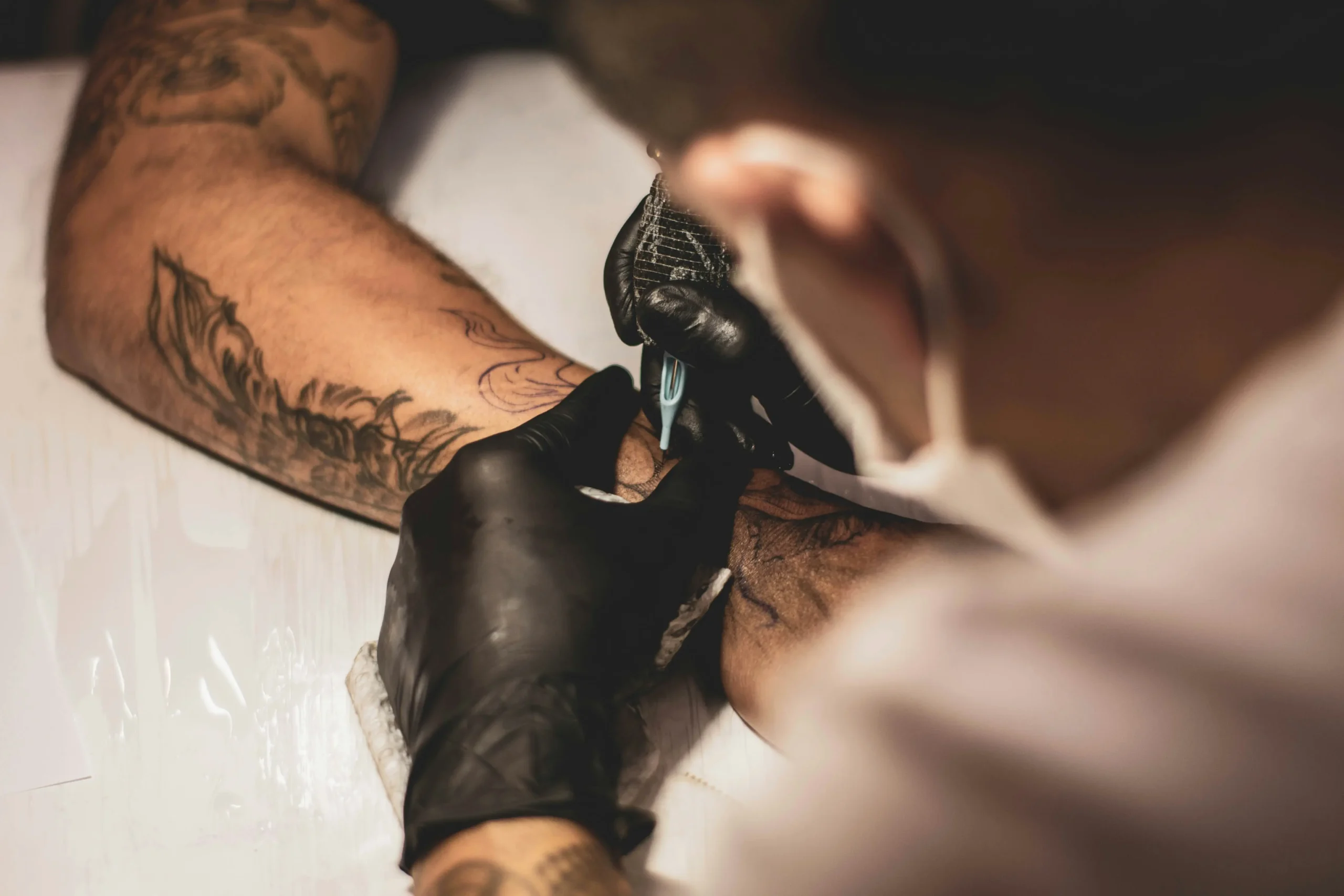
You might have seen heated debates about Savlon on tattoos: some people say it speeds up healing, others warn it can fade ink or cause reactions. When you are just trying to heal your new piece properly, scrolling through conflicting posts is the last thing you need from a tattoo aftercare guide.
This article walks you through how Savlon works, when using Savlon on tattooed skin might be reasonable, and when to avoid it completely. You will also see how Savlon and tattoos compare with other options.
By the end, you will have a calm, step-by-step tattoo aftercare guide you can use.
What is Savlon and How Does It Work?
Before you decide whether Savlon is a good idea, it helps to understand what is actually in the tube. Savlon antiseptic cream is marketed for minor cuts, grazes and burns. Most standard versions contain cetrimide (0.5% w/w) and chlorhexidine digluconate (0.1% w/w), two broad-spectrum antiseptics that reduce bacteria on the skin.
The base includes emollients such as cetostearyl alcohol, liquid paraffin and preservatives like parabens, and some formulations add fragrance. These ingredients help the product spread smoothly.
| Component | Main Role | Implication for Tattoos |
|---|---|---|
| Cetrimide 0.5% | Quaternary ammonium antiseptic that disrupts bacterial membranes. | May lower infection risk |
| Chlorhexidine 0.1% | Broad-spectrum antiseptic used in many medical products. | Effective on bacteria but associated with rare allergic reactions in some people. |
| Emollients & preservatives | Keep the skin soft and stabilise the cream. | Help hydration but can irritate very sensitive, freshly tattooed skin. |
| Data source | Based on publicly available Savlon ingredient listings and manufacturer information. | |
Read More: Top 8 Most Instagrammable Places at Local Halloween Events in Australia (2025)
Can You Use Savlon on Tattoos?
There is no single rule that fits everyone. You can use Savlon on tattoos in some cases, but it is not generally recommended for fresh tattoos.
Fresh tattoos are open wounds. Many Savlon products contain antiseptics like chlorhexidine, which can be too harsh and may irritate the skin and cause redness or dryness
Tattoo artists typically advise not using antiseptics unless there’s an infection.

7 Key Facts About Tattoo Aftercare with Savlon
Fact 1: Avoiding Irritation and Allergic Reactions
When people talk about Savlon and tattoos, irritation and allergy are usually the first concerns. Chlorhexidine and preservatives like parabens are safe for most people, but they are also linked to rare allergic reactions. On a new tattoo, even mild sensitivity can feel intense.
If you have reacted in the past to hospital skin wipes, certain mouthwashes, wound dressings or any antiseptic cream for tattoo-type products, you should be cautious. Spreading redness, hives, blistering or breathing problems are red-flag symptoms that require urgent medical advice, not just another layer of Savlon on tattoos.
Fact 2: Cleaning Hands Before Application
Regardless of whether you use Savlon on tattooed skin, a dedicated balm, or no topical product at all, handwashing is the real hero of tattoo aftercare. Infection-control advice for personal services highlights clean hands as one of the most effective ways to prevent cross-contamination.
Before using any antiseptic cream for tattoo care or the best oil for tattoo hydration, you should:
- Wash hands with soap and running water for at least 20 seconds.
- Rinse and dry with a clean towel or disposable paper towel.
- Only then gently apply your chosen product.
If you skip this, you can rub germs straight into your fresh ink.
Fact 3: Frequency and Amount of Application
Most people use far too much product in the early days. Whether it is Savlon on tattooed skin, a thick balm or even the best oil for tattoo conditioning, heavy layers can suffocate the skin. Wound-care advice generally supports thin, breathable layers over occlusive, greasy build-up.
As a rough guide, a pea-sized amount of cream is usually more than enough for a small piece. For larger work, build up slowly. You can use Savlon sparingly first 1–3 days. After that, most artists recommend switching to a gentler, fragrance-free tattoo aftercare moisturiser instead.
Fact 4: Interaction with Other Tattoo Aftercare Products
Stacking multiple aftercare products at once can cause problems. Applying Savlon alongside heavy petroleum ointments can overload the skin and increase the risk of irritation.
Points to watch include:
-
Chlorhexidine overlap: Using more than one chlorhexidine-based product with Savlon can irritate the tattooed skin.
-
Trapped antiseptic: Applying thick ointments over Savlon may trap the antiseptic against the skin for hours, which can slow healing or cause discomfort.
-
Fragrant oils: Adding scented oils on top of Savlon can make it difficult to identify the cause if a reaction occurs.
A better plan is to pick one main topical product at a time.
Fact 5: Monitoring Healing Progress and Signs of Infection
Even the perfect antiseptic cream for tattoo care will not protect you if you ignore early warning signs. Normal healing includes redness close to the lines, mild swelling and itchiness as scabs form and flake. Public-health information on body art notes that poor technique or aftercare can lead to bacterial and viral infections.
| Sign | Generally Normal | Needs Medical Advice |
|---|---|---|
| Redness | Thin halo close to tattoo; fades slowly. | Spreading redness beyond design despite gentle tattoo aftercare guide steps. |
| Fluid | Clear plasma that dries into light scabs. | Thick yellow or green discharge, foul smell, or pain worsening day by day. |
| Feeling unwell | Tired from the appointment but otherwise okay. | Fever, chills, or feeling very unwell even if you keep using savlon on tattoos or other products. |
| Data source | Adapted from publicly available guidance on tattoo-related infection risks and wound care. | |
If you suspect infection, the answer is not more antiseptic cream for tattoo wounds without advice. Contact a doctor or nurse promptly and bring your tattoo aftercare guide and product list so they can see exactly how you have been caring for the skin.
Fact 6: Alternative Aftercare Options
Many people decide that avoiding Savlon on tattooed skin altogether feels simpler. Popular alternatives include fragrance-free moisturisers, dedicated tattoo balms and carefully chosen oils.
Common choices include:
- Plain, fragrance-free emollient creams recommended for sensitive skin rather than a strong antiseptic cream for tattoo wounds.
- Specially formulated tattoo balms that form a light protective layer without the same antiseptic hit as savlon on tattoos.
- Light cosmetic oils such as jojoba or grapeseed, often mentioned as the best oil for tattoo colour maintenance once the skin has fully closed.
Fact 7: Following Tattoo Artist Guidelines Over Generic Advice
At the end of the day, your tattoo artist has seen many more healed pieces in their own style than any generic article ever will. If your artist’s instructions say “no Savlon on tattoos at any stage”, it is wise to follow that, even if someone online says Savlon and tattoos worked fine for them.
10 Tips for Proper Tattoo Aftercare in Australia
Whether you choose Savlon, an alternative antiseptic cream for tattoo care, or a more minimal routine, these ten tips form a simple, trusted tattoo aftercare guide. They reflect common sense, studio advice and broader tattoo aftercare australia hygiene principles.
1. Trust Your Artist’s Aftercare Instructions
Your tattoo artist is your first source of guidance. Every artist has their preferred methods and products, from Savlon on tattoos to specific balms and oils. Follow their instructions carefully—they know what works best for the inks and techniques they use. Consider your artist’s sheet your baseline before experimenting with other products.
2. Keep the Initial Dressing On
The initial bandage protects the fresh tattoo from bacteria, dust, and friction. Removing it too early exposes the delicate skin, increasing the risk of infection and fading. Follow the timeframe recommended on your aftercare sheet—usually a few hours to overnight.
3. Wash the Tattoo Gently
Once you remove the dressing, wash the area with lukewarm water and a mild, fragrance-free soap. Avoid harsh scrubbing or abrasive cloths. This cleans the tattoo without irritating it, preparing the skin for any antiseptic cream, balm, or oil you choose to apply.
4. Pat Dry, Never Rub
After washing, gently pat your tattoo dry with a clean, soft towel or paper towel. Rubbing can damage the skin, disrupt healing scabs, and affect the crispness of your tattoo lines. Precision and gentleness at this stage matter more than the brand of cream you use.
5. Apply a Thin Layer of Product
Whether using a balm, oil, or antiseptic cream, a thin layer is sufficient. Over-application can suffocate the skin and delay healing. Think of it as lightly coating the surface to keep it hydrated, not smothering it.
6. Avoid Soaking
Baths, hot tubs, saunas, and swimming pools can expose your tattoo to bacteria and excessive moisture, which slows healing and can distort the ink. Stick to quick showers until your tattoo is fully healed.
7. Wear Loose Clothing
Tight fabrics rubbing against a new tattoo can irritate the skin, cause scabs to lift prematurely, and potentially smudge the ink. Choose loose, breathable clothing, especially in the first two weeks of healing.
8. Protect Healed Tattoos from Strong Sun
Once fully healed, apply a broad-spectrum sunscreen daily. UV exposure can fade the pigment over time, so long-term sun protection is crucial for keeping colors vibrant.
9. Do Not Pick Scabs
Scabs and flakes are a natural part of the healing process. Picking at them increases the risk of infection, scarring, and ink loss. Allow them to fall away naturally, even if it feels tempting.
10. Seek Help Early if Worried
Even if you follow all the recognised aftercare advice, sometimes things go wrong. Redness, excessive swelling, oozing, or unusual pain could indicate infection. Rather than overloading the tattoo with more cream or trying home remedies, contact a doctor, nurse, or your tattoo artist for advice promptly.
Frequently Asked Questions
1. Is it safe to put Savlon on a fresh tattoo?
For some people, a very thin layer of Savlon on tattoos can be acceptable on a fresh piece when their artist suggests it and they have no history of sensitivity to antiseptics. Others are better off choosing an alternative antiseptic cream for tattoo care or a simple balm. The safest approach is to treat any tattoo aftercare guide you read online as background, then follow your artist’s written instructions and check with a health professional if you are unsure.
2. Can Savlon slow down tattoo healing?
Using Savlon on tattooed skin does not automatically slow healing, but heavy, frequent application of any thick cream can trap moisture and keep the area too soggy. Wound-care guidance generally favours thin, breathable layers. Keeping layers light and following a clear tattoo aftercare guide matters more than the brand name alone.
3. What is the best tattoo aftercare cream in Australia?
There is no single answer for choosing the best product. You can consider Ink Nurse Remedy Cream, which is plant-based, breathable, and Aussie-made. For a pharmacy option, Bepanthen Tattoo Ointment is also excellent.
4. How often should I clean my tattoo?
Most tattoo aftercare guide sheets suggest washing the area gently a couple of times a day with mild soap and lukewarm water, then patting dry before applying any antiseptic cream for tattoo care or moisturiser. The exact frequency can depend on the tattoo’s size, location and style, so always prioritise the instructions printed by your own artist.
5. Are there natural alternatives to Savlon for tattoo aftercare?
Yes. Fragrance-free emollient creams, specialist tattoo balms and carefully chosen plant oils are often used instead of an antiseptic cream for tattoos. Once the skin has fully closed, some artists suggest oil for tattoo maintenance – such as jojoba or other cosmetic oils – to keep the skin supple. If you are drawn to more “natural” tattoo aftercare options, discuss them with your artist and a health professional so they fit safely into your overall tattoo aftercare guide.
Conclusion
The debate over using Savlon on tattoos continues because its suitability depends on individual skin types and sensitivities. ather than seeking a universal answer, focus on understanding ingredients, washing gently, applying products in thin layers, keeping hands clean, and seeking medical advice if needed. Consistent care—not the brand—keeps your tattoo lines crisp, colours vibrant, and skin healthy, letting you decide how, if at all, Savlon fits into your routine.
References
-
Ebo, D. G., Bridts, C. H., Stevens, W. J., & others. (1998). Contact allergic dermatitis and life-threatening anaphylaxis to chlorhexidine. Journal of Allergy and Clinical Immunology, 101(1), 128–129.
-
Department of Health, Victoria. (2024, October 18). Body art and tattoo businesses – infection prevention and control. Victorian Government. Retrieved 25 November 2025.
-
Western Australia Department of Health. (2024). Health risks of body art and piercing sites and related resources (Preparing yourself for body art; Body art; Taking care of body art). Government of Western Australia. Retrieved 25 November 2025.
-
Gonzalez, C. D., Walkosz, B. J., & Dellavalle, R. P. (2020). Aftercare instructions in the tattoo community: An opportunity to educate on sun protection and increase skin cancer awareness. Journal of Clinical and Aesthetic Dermatology, 13(6), 22–23.
-
Healthline. (2023, November 6). Everything You Need to Know About Tattoo Aftercare. Healthline Media. Retrieved 25 November 2025, from https://www.healthline.com

Hi, I’m Natalia, a passionate education advisor committed to helping students pursue their dreams through international study. Growing up in a small town and later attending a prestigious university, I’ve seen firsthand how transformative education can be. I created this platform to support families and students on their journey to studying in Australia, offering practical guidance, strategic planning, and inspiration. My mission is simple: to make quality education accessible, joyful, and empowering for every learner.